Recent Technologies for Spotting Fake IDs
- Filed by
- Marketing
- Received
- Length
- 2 min
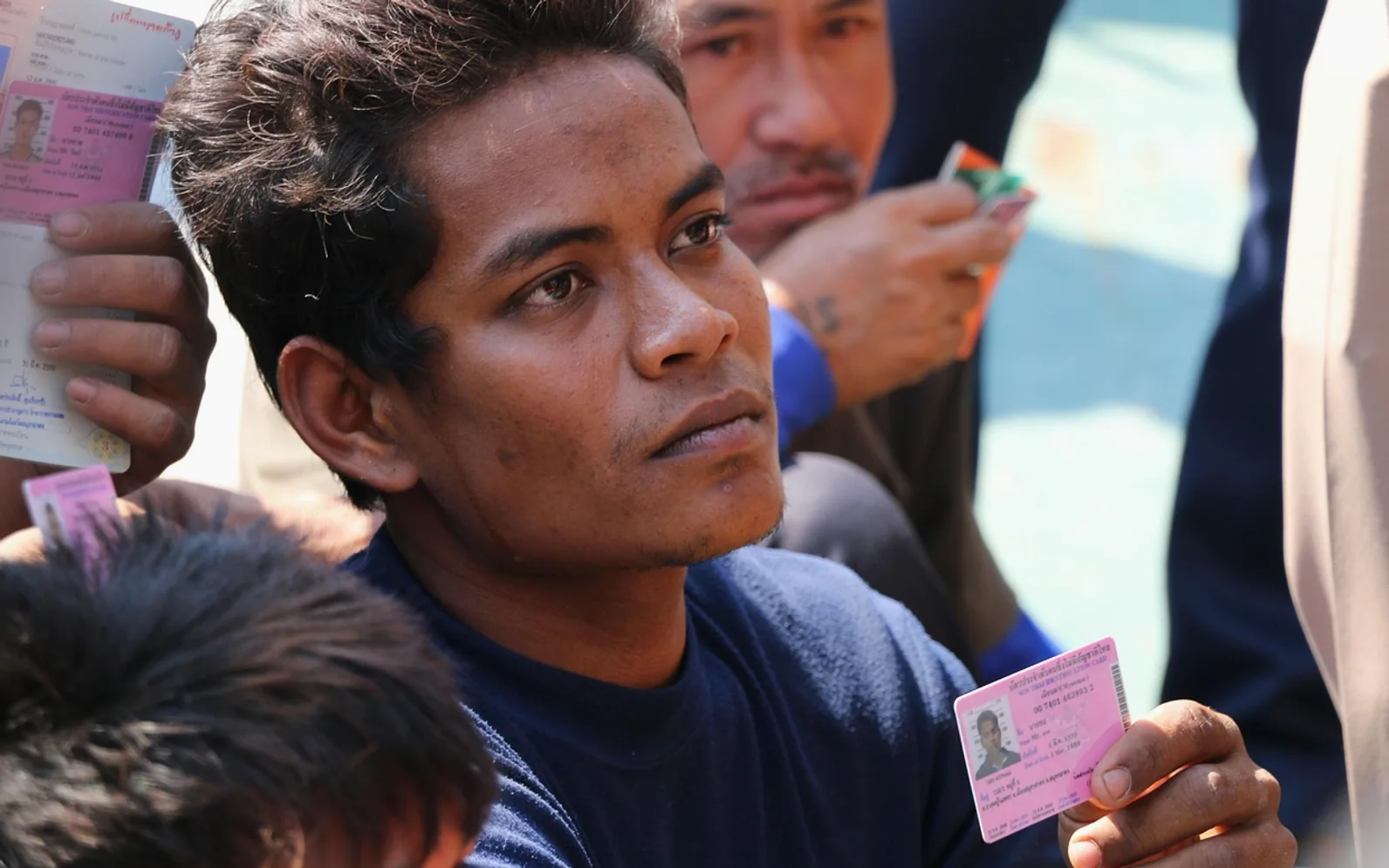
A bar on a busy Friday night, a car rental desk at an airport and an online bank onboarding a new customer face the same question: is this document genuine, and does it belong to the person presenting it? Counterfeiters have access to better printers than ever, so a quick glance at a photo and a date of birth no longer suffices. The good news is that verification tools have improved just as fast, and they work best when combined.
Layer one: the document's own security features
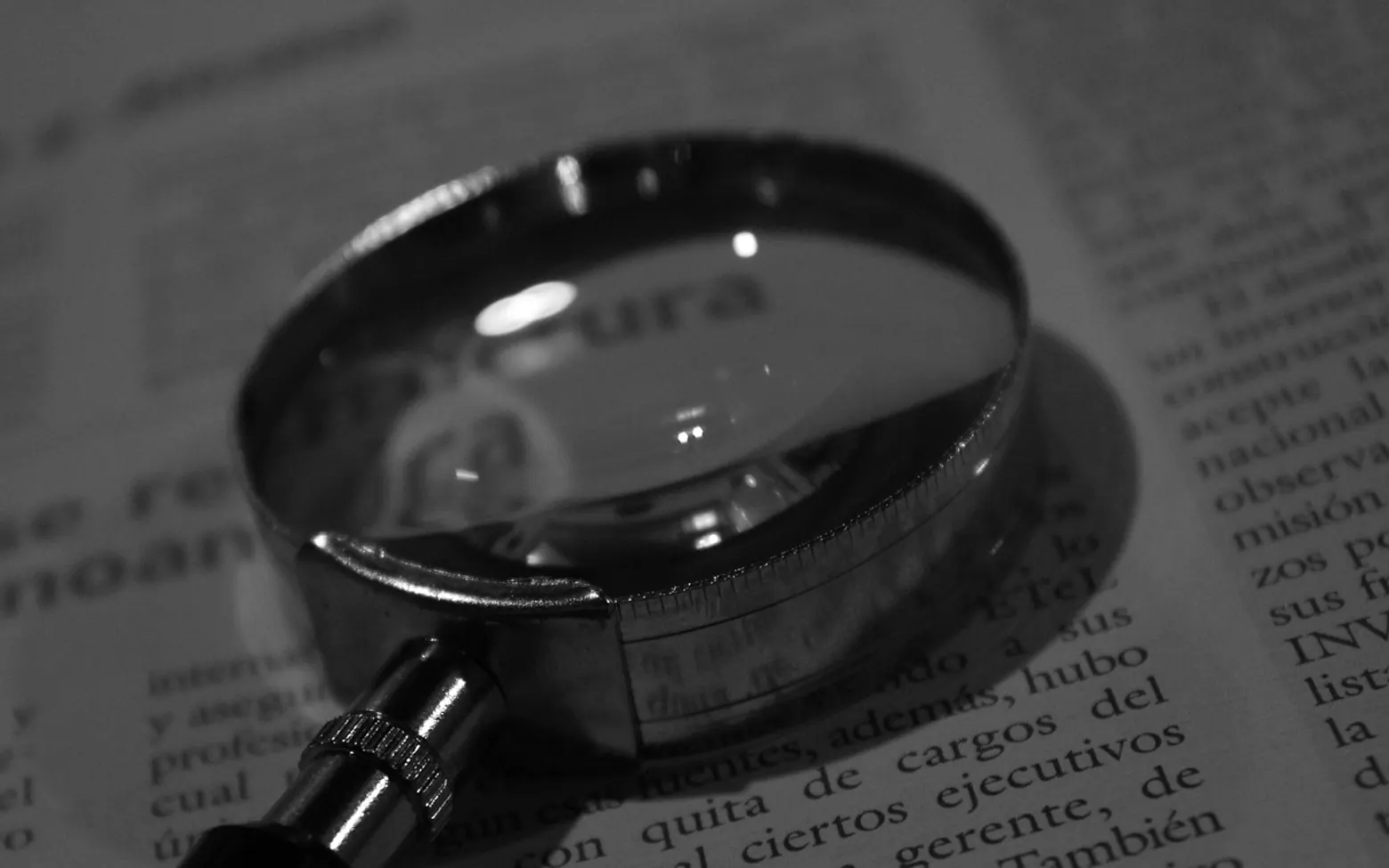
Modern identity cards, driving licences and passports carry features designed to be hard to reproduce. Under ultraviolet light, hidden patterns, fibres or images appear that ordinary printing cannot imitate. Holograms and colour-shifting ink change as the card is tilted. Microprinting, tiny text that looks like a line to the naked eye, blurs or breaks on many fakes. A handheld UV lamp and a magnifier remain cheap, fast first checks that staff can learn in an afternoon.
Layer two: reading the data
Many documents store information in machine-readable form: a barcode on the back of a licence, a machine-readable zone at the bottom of a passport page. Scanning that data and comparing it with the printed details catches a common forgery mistake, where the visible text has been altered but the encoded data has not. Software can also check that the format of document numbers and check digits matches the issuing authority's rules.
Electronic passports and many newer ID cards add a contactless chip. Reading it with a compatible device retrieves digitally signed data and a stored photo, and the signature check confirms the information has not been tampered with.
Layer three: matching the person to the document
A perfect document is useless if it was borrowed. Facial comparison tools match a live photo of the customer with the photo on the document or chip. Liveness detection, which asks the person to move or analyses subtle cues in the image, helps ensure the camera sees a real face rather than a printed picture or a screen.
Platforms such as IDAnalyzer bring these layers together, combining document authentication, data extraction and face matching in one workflow. Its id scanner lets businesses capture a document quickly and receive an assessment that fits neatly into their existing check-in or onboarding process.
Putting a process together
- Decide which checks each situation needs; age checks at a door differ from customer onboarding for a financial service.
- Train staff on manual checks so they can act when technology is unavailable.
- Define what happens when a check fails: a polite refusal, a second look by a supervisor or a request for another document.
- Store only the data you need, for as long as the law requires, and protect it properly.
- Review the process regularly as new document designs and forgery methods appear.
Privacy and fairness
Identity checks involve sensitive personal data, so data protection rules apply. Customers should know why their document is being scanned and what happens to the information. Automated tools should support human judgement rather than replace it, especially when a result is uncertain. Handled this way, modern verification protects the business, keeps honest customers moving quickly and makes life considerably harder for anyone relying on a fake.

- 67
- articles
- 9
- topics
- 3
- min average read
- 2020–2026
- years covered