
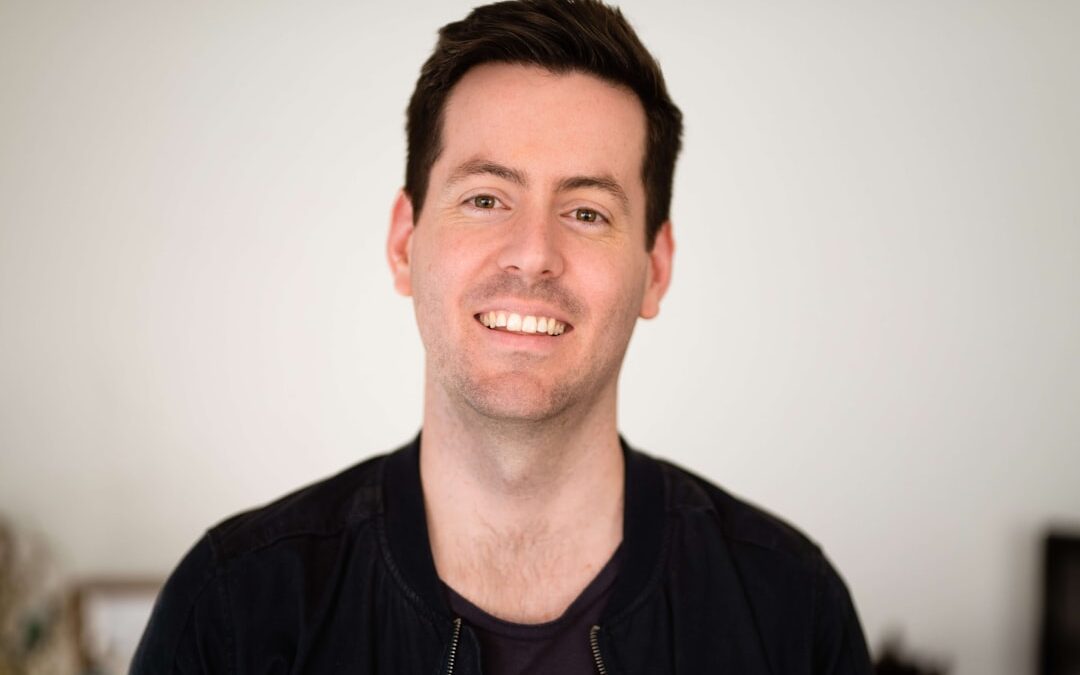
Professional portraits have always mattered. Whether for LinkedIn, company websites, speaking profiles, press features, or digital business cards, a polished headshot often shapes the first impression before a conversation even begins. Today, that process is changing rapidly. AI headshot generators are transforming how professionals, teams, and businesses create studio-quality portraits without the time, cost, and logistical friction of a traditional photo shoot. As image generation tools become more sophisticated, the future of professional portraits looks faster, more personalized, and far more accessible.
Why AI Headshot Generators Are Gaining Momentum
The appeal of AI headshot generators is easy to understand. Traditional headshots can be expensive, schedule-dependent, and difficult to update regularly. Professionals may need to coordinate with photographers, choose outfits, travel to a studio, and wait for edited images. For growing teams or remote companies, the process becomes even more complicated.
AI changes that model by turning a set of uploaded selfies or existing photos into refined, professional-looking portraits. In many cases, users can generate multiple variations in a fraction of the time required for an in-person session. This makes AI headshots especially attractive for entrepreneurs, job seekers, consultants, sales teams, and distributed organizations that need consistent visual branding.
Another reason for the surge in adoption is the growing importance of online identity. A headshot is no longer just a corporate accessory; it is a strategic asset. People use profile images across professional platforms, email signatures, social media, portfolio sites, and media kits. Because digital visibility matters more than ever, the demand for affordable, high-quality portraits continues to rise.
From an SEO and branding perspective, this shift also reflects how audiences evaluate trust online. A clean, professional image can strengthen credibility, improve engagement, and support personal brand recognition. AI headshot generators meet this need by making high-end visuals available to a much broader audience.
How the Technology Is Reshaping Professional Image Creation
What makes AI headshot generators so compelling is not simply convenience. The deeper innovation lies in how these tools interpret facial features, posture, styling, and photographic aesthetics to create images that resemble a polished studio session. As machine learning models improve, output quality continues to move closer to what users expect from professional photography.
Modern platforms can simulate background depth, balanced facial lighting, wardrobe refinement, and camera composition. They also offer variety at scale. Instead of receiving a small set of edited proofs, users can review numerous options tailored to different industries and use cases. A corporate executive may prefer a formal neutral backdrop, while a creative founder might want a more modern and expressive portrait.
This flexibility is a major sign of where the future is heading. Professional portraits are becoming dynamic rather than static. Instead of one headshot every few years, users can maintain an evolving visual identity that reflects role changes, seasonal campaigns, company rebrands, or new professional goals.
Businesses also benefit from consistency. Teams can generate portraits with a unified visual style even when employees are in different cities or countries. For HR and marketing departments, that means faster onboarding, smoother brand management, and more cohesive presentation across websites and internal systems.
Personalization Will Define the Next Generation of AI Headshots
The future of AI-generated portraits will be driven by deeper personalization. Early tools focused on simple enhancement, but newer systems are built to provide meaningful creative control. Professionals increasingly want portraits that feel authentic to their industry, personality, and audience, rather than generic or overly retouched.
That is why customization is becoming central to user experience. The best platforms allow people to explore different backgrounds, expressions, lighting styles, and attire so the final image aligns with a specific brand identity. This is especially useful for professionals who need more than one visual persona, such as a lawyer who wants both a formal website portrait and a warmer networking profile image.
In the coming years, we can expect even more adaptive features. AI systems may recommend styles based on profession, optimize images for different platforms automatically, and generate portraits that match employer branding guidelines. The result will be a more strategic and intentional approach to visual identity.
There is also strong potential for accessibility. Not everyone has easy access to professional photographers, styling support, or urban studio environments. AI headshot generators lower those barriers and open the door for more people to present themselves professionally. That democratization may prove to be one of the technology’s most important long-term impacts.
Challenges, Trust, and the Human Standard of Quality
Despite the promise of AI headshot generators, the future of professional portraits will not depend on automation alone. Trust, realism, and ethical use remain essential. A headshot must still represent the person accurately. If an image looks artificial, overly idealized, or inconsistent with real appearance, it can undermine credibility rather than strengthen it.
That is why quality standards will matter. The most effective AI portraits are not the ones that dramatically alter identity, but the ones that present a person at their professional best while staying believable. Businesses and individuals should evaluate tools based on realism, consistency, data privacy, and output control.
- Authenticity: Images should resemble the person clearly and honestly.
- Professional relevance: Style should match industry expectations and intended audience.
- Privacy: Users should understand how uploaded images are stored and processed.
- Brand consistency: Teams need portraits that feel unified across channels.
Human judgment will remain important. Even as AI becomes more capable, people will still decide which image best communicates authority, warmth, expertise, or creativity. In that sense, AI is not replacing professional standards; it is making them easier to achieve and scale.
It is also likely that photographers will adapt rather than disappear. Some will incorporate AI into their workflow for faster edits, concept previews, and scalable portrait packages. The future may be hybrid, with traditional photography and AI-assisted image creation working side by side to serve different needs and budgets.
What the Future Means for Professionals and Businesses
Looking ahead, AI headshot generators are poised to become a standard part of personal branding and digital marketing. As remote work, online networking, and creator-driven business models continue to grow, the need for fresh, professional portraits will only increase. AI offers a practical answer to that demand by combining speed, quality, and flexibility.
For individuals, this means more control over how they show up online. For businesses, it means a scalable way to maintain a polished and consistent brand image across teams. The most successful use of AI headshots will come from balancing efficiency with authenticity and using the technology to enhance rather than fabricate professional presence.
The future of professional portraits is not just about generating better images. It is about making strong visual identity more accessible, responsive, and aligned with the way modern careers actually work. AI headshot generators are moving portraits from a periodic expense to an always-available branding tool, and that shift is likely to define the next era of professional image creation.
