Safety and Beauty: How Pathway Lights Improve Your Outdoor Spaces
- Filed by
- Our Blog
- Received
- Length
- 2 min
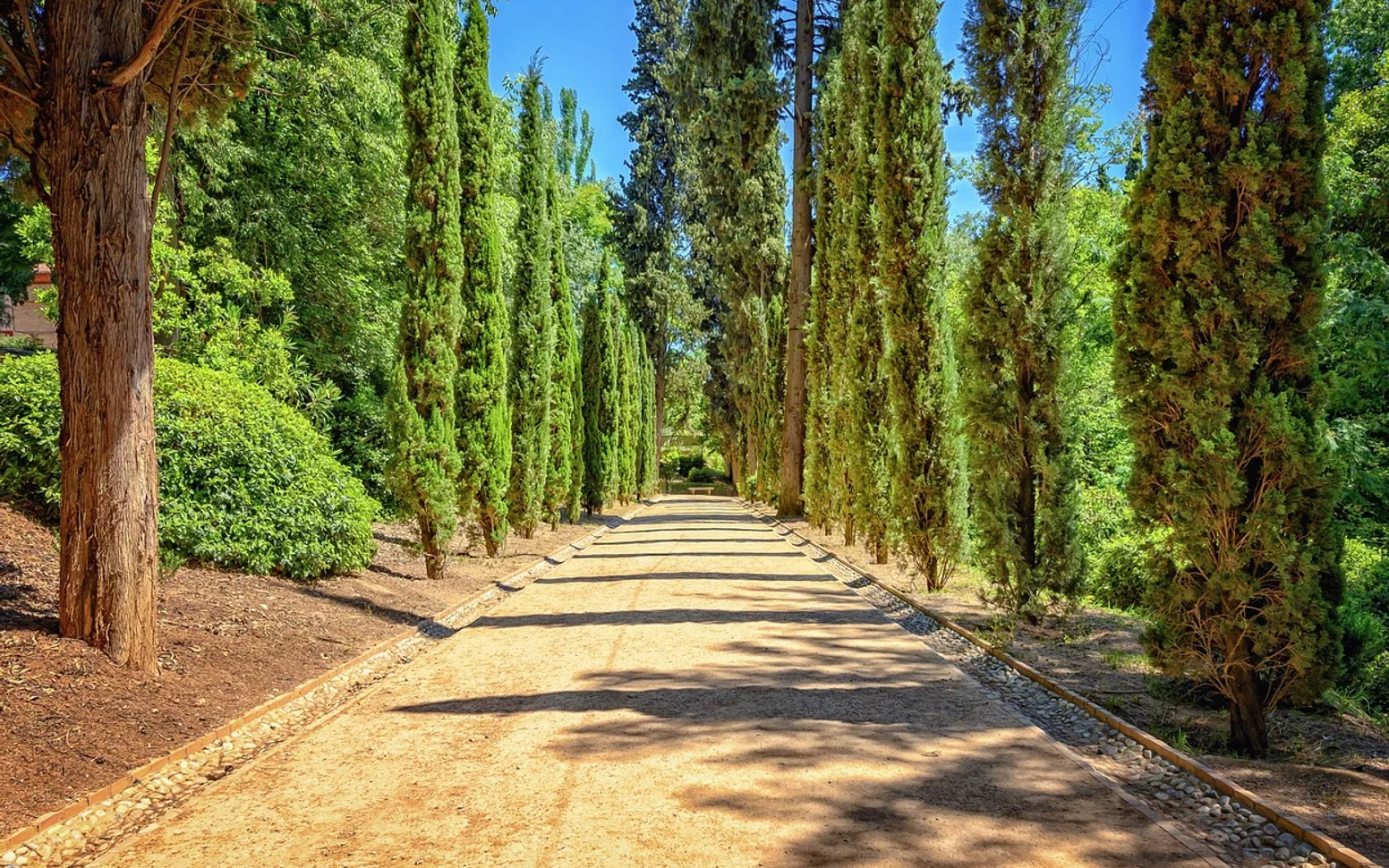
A garden path that looks inviting at noon can turn awkward after dark. Edges disappear, a single step catches someone out, and the front door feels further away than it is. Low lighting along the route fixes the practical problem and, done with a little care, gives the whole plot a finished look in the evening.
Start with how people actually walk
Before choosing any fixture, walk the route at dusk. Note where the surface changes, where there are steps or a slope, where the path bends and where guests tend to cut across the lawn. Those points need light first. Decorative spots for trees or a water feature can follow once the walking route is covered.
Good pathway lights are designed for exactly this job: they throw light down and outwards onto the ground instead of into people's eyes, so the surface reads clearly without the glare of a floodlight.
Placement and spacing
A common mistake is lining both sides of a path with fixtures at equal distances, which can make a garden look like a runway. Staggering lights on alternate sides usually gives more even coverage with fewer units and a softer effect. Pools of light that just meet, or leave short gentle gaps, tend to look more natural than continuous brightness.
- Put a fixture at the top and bottom of every set of steps.
- Light the inside of curves, where feet are most likely to stray.
- Keep fixtures slightly back from the edge so mowers and boots do not hit them.
- Check the view from inside the house as well as from the path.
Colour, brightness and glare
Warm white light flatters stone, brick, planting and timber, and it feels calmer at night. Cooler light shows detail sharply but can look clinical next to a home. Whatever the colour, aim for enough brightness to see the ground clearly rather than the maximum available. Shielded heads and frosted lenses reduce glare for passers-by and neighbours, and they keep the night sky darker, which wildlife and stargazers both appreciate.
Power and upkeep
| Option | Strengths | Points to weigh |
|---|---|---|
| Low-voltage wired | Steady output, timers and dimmers | Needs cable runs and a transformer, ideally fitted by an electrician |
| Solar | No wiring, quick to move | Output depends on daylight and panel position |
| Mains with sensors | Light only when someone passes | Sensor angles need careful setting |
LED fixtures use little energy and last a long time, which keeps running costs modest. Upkeep is mostly simple: wipe lenses, trim plants that start to cover the heads, and check connections after a hard winter.
Security as a bonus
A lit approach removes the darkest corners near entrances and makes it easier to see who is at the gate. That is a welcome side effect rather than the main reason to install path lighting, which remains comfort and safe footing. Combine both aims, and the result is a front garden that feels open and cared for long after sunset.




- 67
- articles
- 9
- topics
- 3
- min average read
- 2020–2026
- years covered