Landscaping Projects: Utilizing Container Rentals for Yard Waste Disposal
- Filed by
- Business
- Received
- Length
- 2 min
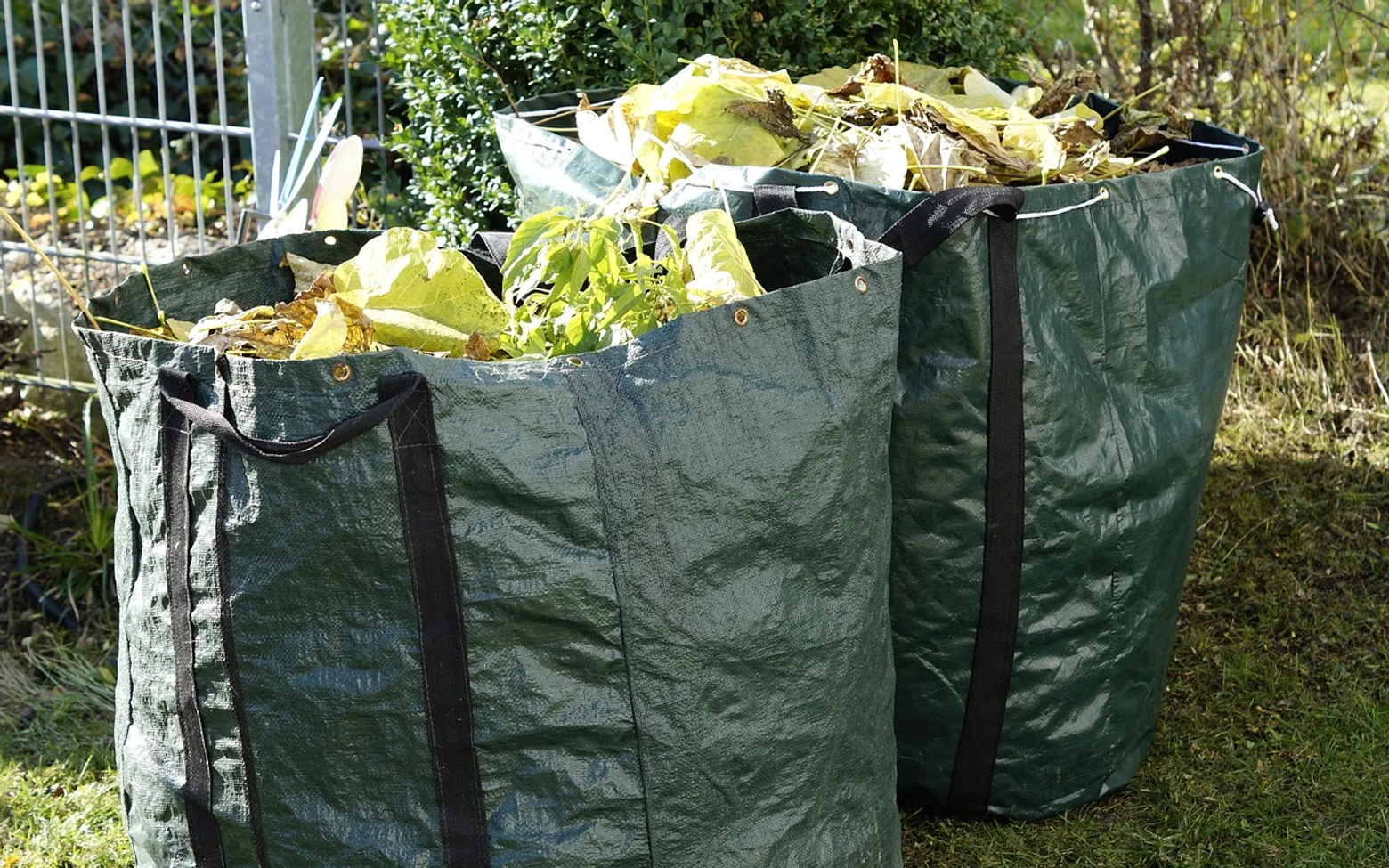
A garden redesign looks tidy on paper and chaotic in practice. Before new beds, lawn or terrace appear, the old ones have to go: hedges are cut back, turf is lifted, a crumbling path is broken up and barrow loads of soil move around the plot. Without a plan for all that material, piles grow in every corner and slow the work down. A rented container, ordered at the right moment and used with a little discipline, keeps the site under control.
Map the waste before the first spade goes in
Different phases of a landscaping job produce different kinds of waste, and knowing them in advance makes ordering much easier.
| Project phase | Typical material | Planning note |
|---|---|---|
| Clearing | Branches, hedge cuttings, leaves, roots | Bulky but light; fills space quickly |
| Ground work | Turf, excavated soil, stones | Heavy; weight limits matter more than volume |
| Hard landscaping | Old paving, concrete edging, broken bricks | Often counts as rubble, collected separately |
| Finishing | Packaging, offcuts, leftover gravel | Small amounts; can share a later container |
Keep waste streams apart
Green waste and mineral rubble are usually handled differently. Garden material can often be composted or shredded into mulch, while old paving and concrete go to recycling as aggregate. Mixing them may lead to extra charges or a refused load, so many projects use two containers in sequence or one container per phase. Ask the rental company in advance which materials it accepts together and which must be separated. Soil contaminated with oil, paint or treated wood should be mentioned before collection rather than discovered at the depot.
Size, timing and placement
Choosing the size is a balance between volume and weight. Branches need space; soil and rubble reach the weight limit long before the container looks full. An experienced provider can suggest a size once it knows the garden area and the scope of the work.
Timing matters too. Delivering the container just before clearing begins avoids heaps on the lawn, while arranging a swap before hard landscaping starts keeps rubble separate. Placement should allow a wheelbarrow route on firm ground and leave the delivery lorry safe access. Should the skip end up on the street or footpath, the municipality may need to grant permission, so ask early.
Flexible rental periods
Garden projects rarely run exactly to schedule. Weather, plant deliveries and the availability of helpers all shift the timeline, from a weekend refresh to several weeks of reconstruction. Specialist providers for Bauschutt entsorgen Hanau are used to this kind of variability and offer rental periods that can be matched to the real pace of the work, which makes them a practical partner when old terraces and paths are being replaced.
A cleaner site, a smoother project
Working next to a container changes the rhythm of the job. Debris goes straight from the hand to the bin, paths stay clear and tools are easier to find. At the end, the finished garden is not spoiled by a last weekend of trips to the recycling centre. For homeowners and landscaping firms alike, that order on site is often worth as much as the hours saved.




- 68
- articles
- 9
- topics
- 3
- min average read
- 2020–2026
- years covered