The Future of Waste Management: Innovations in Container Rental Services
- Filed by
- Business
- Received
- Length
- 2 min
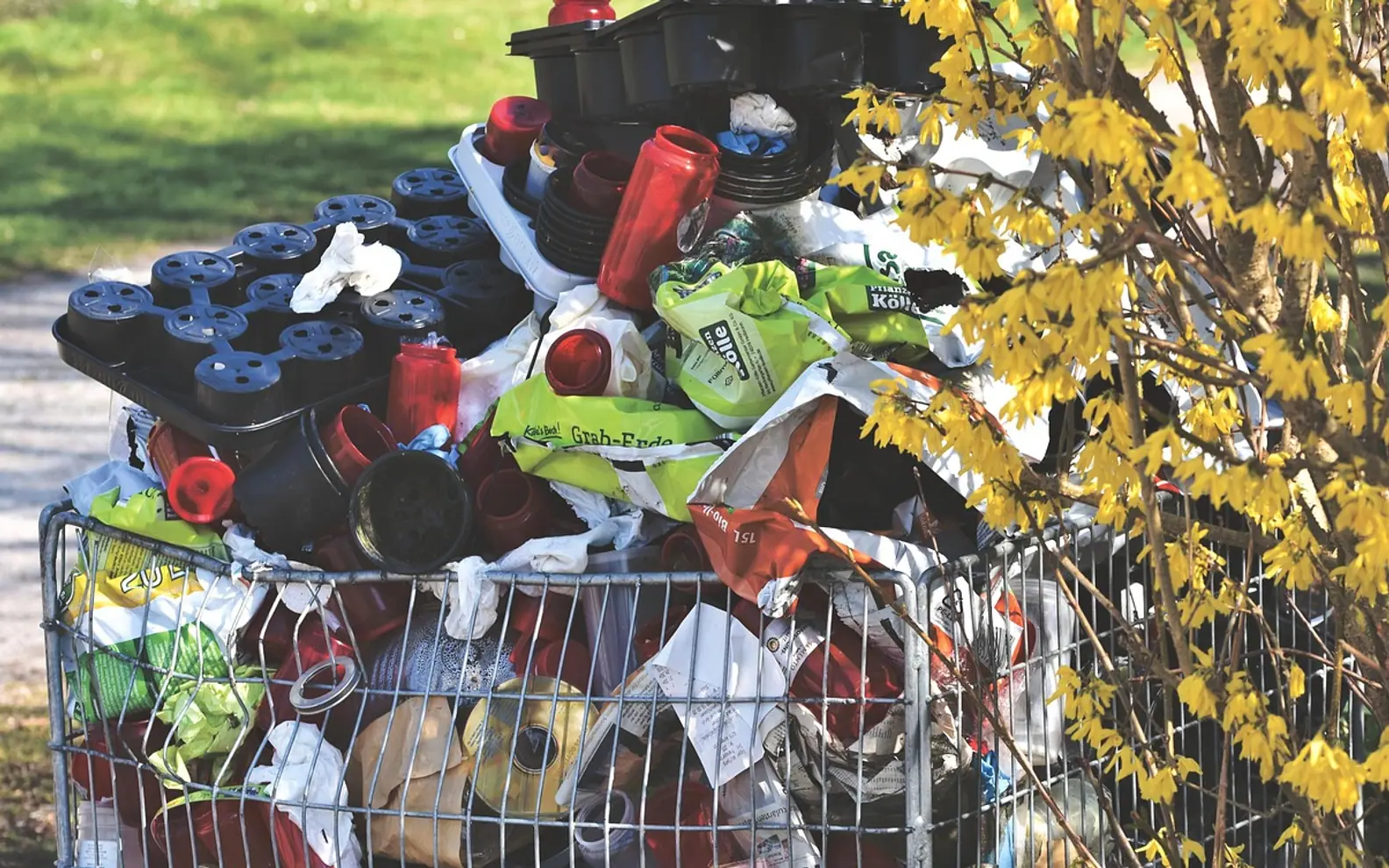
Renting a skip used to involve a phone call, a rough guess at size and a lorry that arrived when it arrived. That model still works, but container rental is being reshaped by sensors, software and stricter expectations on recycling. For builders, property managers and households clearing out a home, the changes mean less guesswork and a clearer picture of where waste ends up.
Containers that report their own fill level
Some providers now fit sensors that track how full a container is. Instead of collecting on a fixed day, the hauler can come when the container is close to capacity. Fewer half-empty runs mean fewer kilometres driven and less time with a full skip blocking a driveway. On larger sites, the same data helps managers see which phases of a project produce the most waste.
Booking and tracking online
Online platforms let customers choose a size, pick a delivery window, upload a photo of the placement spot and request a swap or collection without waiting on hold. Status updates by message or app replace the familiar uncertainty about arrival times. Invoices and disposal documents can be kept in one account, which helps companies that have to show where their waste went.
Regional specialists are adopting these tools while keeping local knowledge. For renovation work around Hanau, a service focused on bauschutt entsorgen hanau combines straightforward ordering with an understanding of which materials belong in which container and where they are processed nearby.
Sorting at the source
Recycling works best when materials are kept apart from the start. Many rental services now offer dedicated containers for clean rubble, wood, metal, green waste and mixed loads, each clearly labelled. Customers who separate materials often benefit on price, because clean streams are easier to process. At recycling yards, improved sorting lines recover more usable material from mixed loads, although careful separation on site still gives the best results.
- Ask the provider which material streams they accept separately.
- Plan space on site for more than one container if the project allows.
- Keep hazardous items such as paints, solvents and asbestos out of standard containers and follow the specific disposal rules for them.
Cleaner fleets and smarter routes
Route-planning software groups deliveries and collections by area, cutting empty journeys. Some fleets are testing lower-emission trucks, particularly for urban routes where noise and air quality matter. How quickly this spreads depends on cost, charging or fuel infrastructure and local regulations.
What it means for customers
For the person ordering a container, these innovations show up as practical benefits: clearer choices, more reliable timing and better information about recycling. The basics remain the same. Choose the right size, keep loads within the marked limits, ask whether a permit is needed for street placement and work with a provider that explains its process openly. Technology makes those steps easier, but it does not replace them.




- 67
- articles
- 9
- topics
- 3
- min average read
- 2020–2026
- years covered