IPTV in the Netherlands: Modern Viewing for a Digital Society
- Filed by
- Tech
- Received
- Length
- 2 min
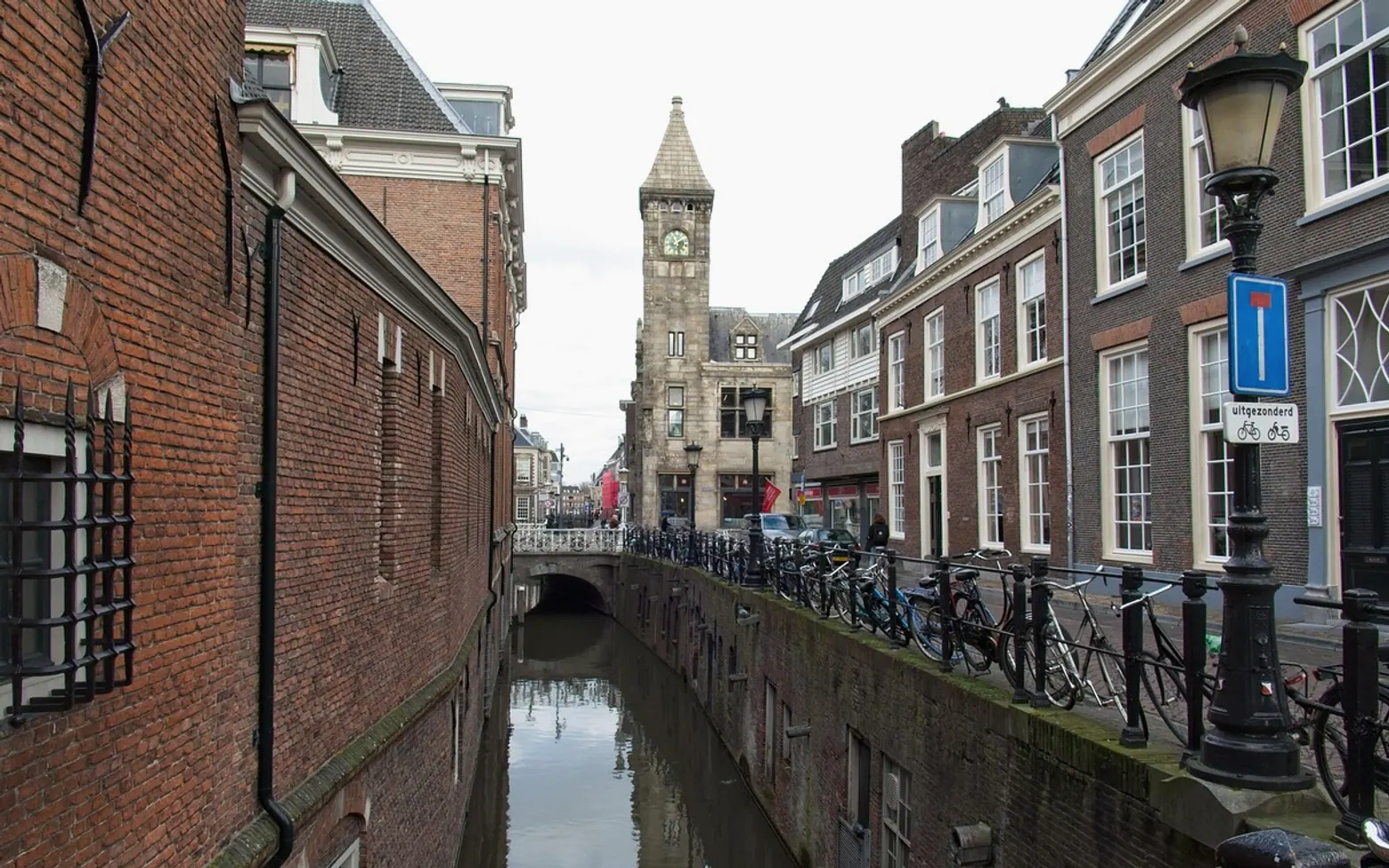
Few countries have folded digital tools into ordinary life as thoroughly as the Netherlands. People pay by phone at the market, file paperwork through online portals, check train times on an app and often work from home several days a week. Against that backdrop it would be odd if television had stayed tied to a coaxial socket in the wall. Internet-delivered viewing is simply the TV equivalent of habits the Dutch already have.
Television that behaves like other digital services
What people expect from a banking app or a ticket platform, they now expect from the TV: instant access, a clear interface, the ability to pick up where they left off on another device. As interest in personal viewing grows, more households look for ways to IPTV kopen through providers that offer flexible packages and interactive features designed for families, young professionals and technology enthusiasts.
The underlying idea is straightforward. Programmes are sent as data over the internet instead of over cable, satellite or terrestrial transmitters, and an app or small box turns that data back into a picture.
Three ways to watch
| Format | How it works | When people reach for it |
|---|---|---|
| Live channels | Streams broadcasts as they air | News, live sport, big shared events |
| Time-shifted TV | Keeps recent broadcasts available to replay | Catching up after work or a late train |
| Video on demand | Offers a library of films and series at any time | Weekend viewing, children's programmes |
Most services blend all three, and the blend is what makes the format feel modern. A household is no longer choosing between live TV and streaming; it gets both through one menu.
Why it fits Dutch living patterns
Home working has changed the shape of the day. Lunchtime news, a documentary during a quiet afternoon or a match that starts while someone is still in an online meeting all benefit from pause and replay. Smaller homes and apartments also favour slim setups: an app on the television instead of a box and tangle of cables. And in a multilingual society, the ability to add channels from other countries next to the Dutch public broadcasters answers a real need.
Privacy, reliability and fair play
A digitally confident public also asks sharper questions. Viewers want to know what data a service collects, whether payment is secure and how easy cancellation is. Stable performance during the busiest evening hours matters more than a long channel list. Choosing providers that are properly licensed for their content in the Netherlands is part of the same mindset: it keeps the service dependable and treats broadcasters and creators fairly.
The living room as part of the network
In a country where so much already runs through a phone or a browser, internet television does not feel like a revolution. It feels like the TV finally catching up. For Dutch households, the result is viewing that follows their schedule, adapts to every screen in the home and sits comfortably alongside the rest of their digital routine.


- 67
- articles
- 9
- topics
- 3
- min average read
- 2020–2026
- years covered