Exploring the Benefits of IPTV for Modern Households in France
- Filed by
- Tech
- Received
- Length
- 3 min
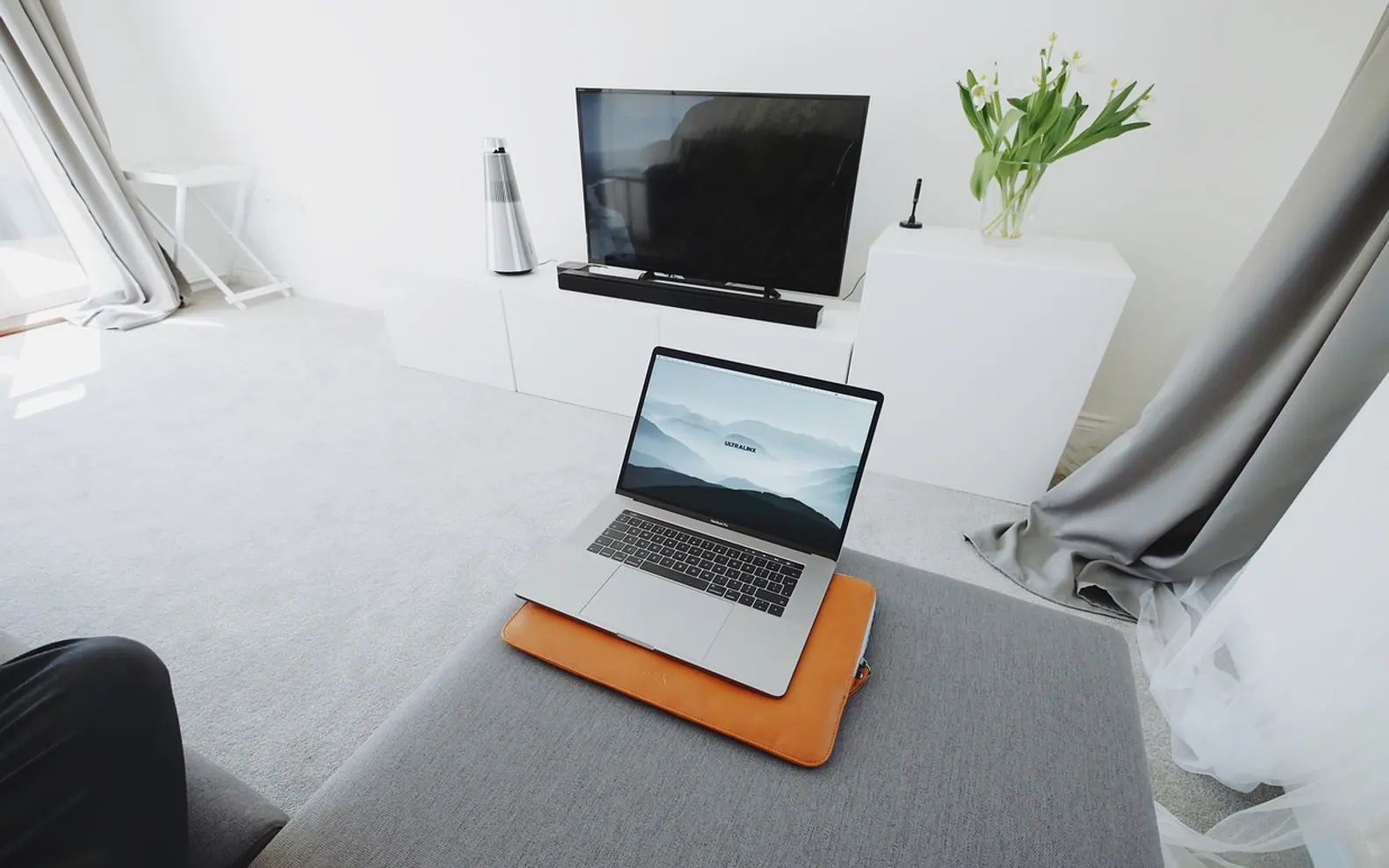
A French apartment in the evening rarely looks like the old picture of one family facing one set. A teenager follows a series on a tablet, a parent catches the regional news on a laptop, and the big screen in the salon waits for the match later on. Internet Protocol Television suits that scattered pattern because it treats every connected screen as a possible television, provided the broadband line can carry the load.
Four households, four reasons to switch
The benefits look different depending on who lives under the roof. A few typical cases show why the format has spread beyond early adopters:
- The shared student flat. Flatmates keep separate schedules, so recordings and catch-up matter more than a channel guide. One account with several profiles avoids arguments over the remote.
- The family with young children. Parents value a kids' section that can be locked down, plus the option to pause a cartoon during dinner and resume it later.
- The bilingual couple. Many homes in France mix languages. Being able to switch between French channels and programmes from another country, often with subtitles, keeps both partners included.
- The remote worker. Someone who works from home may want news running quietly in a corner of a second monitor rather than a full TV session.
What the format changes day to day
The most noticeable shift is control over time. Live channels are still there for events that only make sense in the moment, yet much of the week's viewing moves to replay and on-demand libraries. A film started on Sunday can be finished on Tuesday on another device without hunting for the right minute.
The second change concerns equipment. Instead of a dedicated decoder tied to a single socket, viewers can rely on a smart TV app, a small streaming stick or a phone. That makes moving furniture, or moving house, far less of a project. The fibre build-out across many French towns has helped here, since a stable connection is the real foundation of a smooth picture.
Choosing a service with care
Before signing up, it helps to write down what the household actually watches. A list of must-have channels, preferred sports and the number of screens used at the same time will narrow the field quickly. Families comparing options often start from a shortlist such as Meilleur IPTV France, which groups subscription choices for French viewers in one place and makes side-by-side comparison easier.
Other points deserve a look too: how many simultaneous streams the plan allows, whether the app runs well on the devices already at home, and how support can be reached if something stops working on a Friday night.
Licensing and a sensible test run
As with any paid television, it makes sense to favour services whose channel catalogue rests on genuine distribution agreements and which operate within French law. A short trial period, used on the household's own connection and screens, shows more than any brochure: picture stability during peak hours, how quickly channels switch, and whether the interface feels clear to the least technical person in the home.
When those boxes are ticked, IPTV stops feeling like a gadget and settles into the background as a quiet utility, one that adapts to how a modern French household already lives rather than asking it to fit a broadcast schedule.



- 68
- articles
- 9
- topics
- 3
- min average read
- 2020–2026
- years covered