Following Speed Skating on TV Through the Winter
- Filed by
- Our Blog
- Received
- Length
- 5 min
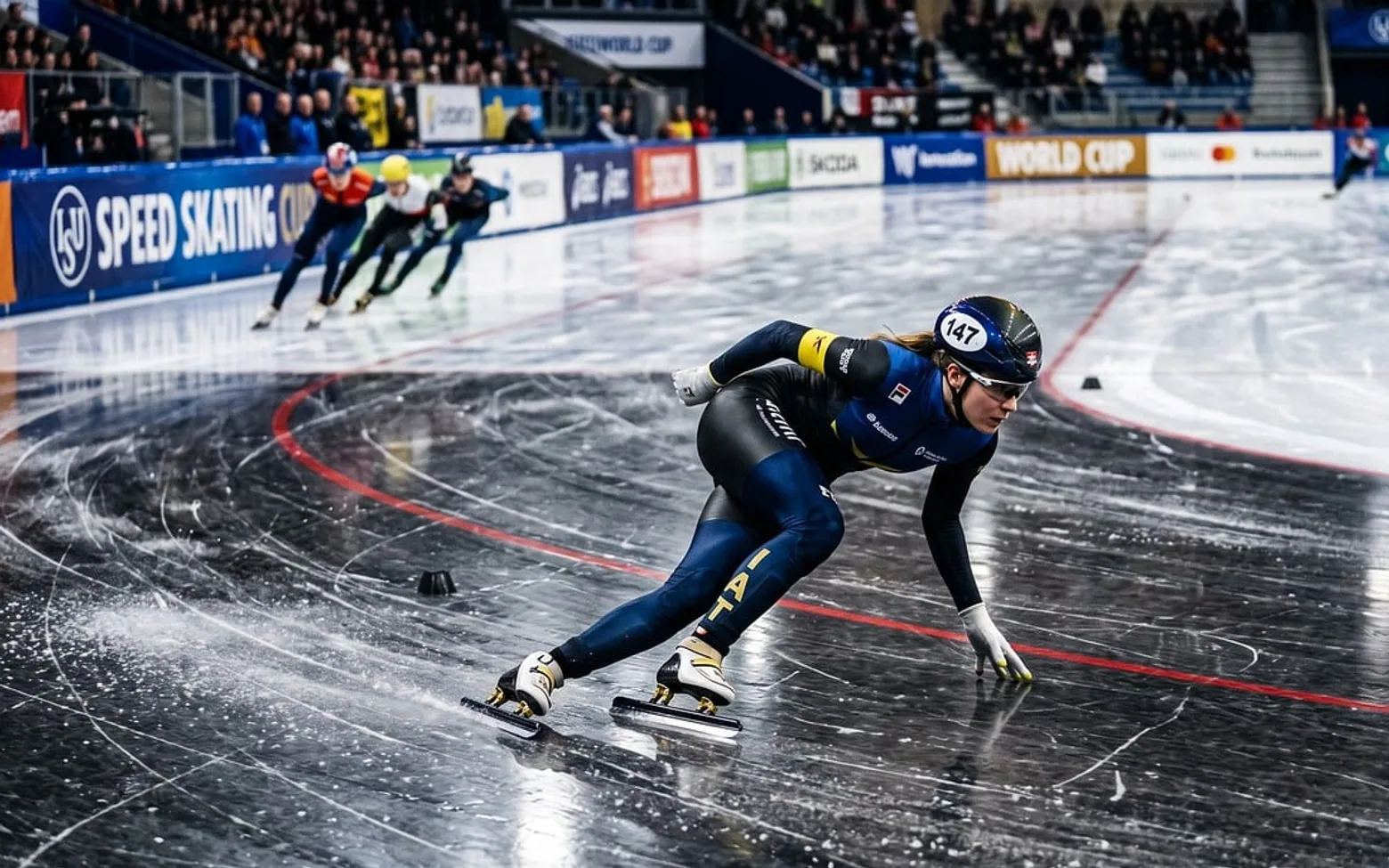
Following speed skating through the winter is easier than it looks: learn the handful of rules that decide long track and short track races, know roughly how the season moves from one event to the next, and set up your screens so a race can run live or be caught on replay later. In the Netherlands the sport is part of the season itself, so a little preparation turns scattered weekend broadcasts into a story you can follow from the first event to the final championship.
Why the Netherlands cares so much
Skating in the Netherlands grew out of frozen canals, flat land and long winters, and it never stayed a niche pastime. Villages kept natural ice tracks, clubs organised local races, and many families have someone who skated competitively at some level. Indoor ovals later made training possible regardless of the weather, which helped the country build a deep pool of riders across distances, and races became major weekend occasions on television.
Long track in a nutshell
Long track is raced on a 400-metre oval, usually with two skaters on the ice at once. They are not really racing each other; they are racing the clock, and the final ranking comes from comparing times across all pairs.
Lanes, pairs and the crossing
Each pair starts with one skater in the inner lane and one in the outer lane. On every lap they swap at the crossing straight, so both cover the same distance. The skater changing from outer to inner has priority, which is why you sometimes see one rider ease off slightly to avoid a collision. Watch the lap times shown on screen: an even schedule usually beats a fast start that fades.
The usual distances
- 500 and 1,000 metres: sprints where the start and the first inner bend matter enormously.
- 1,500 metres: a middle distance that rewards both speed and the ability to hold a technique when the legs burn.
- 3,000, 5,000 and 10,000 metres: endurance races where steady laps and pacing decisions decide the outcome.
- Team pursuit and mass start: team pursuit puts three skaters of one nation together against the clock; the mass start is a bunched race with intermediate sprints and tactics closer to cycling.
Short track: closer, faster, messier
Short track uses a much smaller oval marked out on an ice-hockey-sized rink, and several skaters race in a pack. Position matters more than time. Riders qualify through heats, quarter-finals and semi-finals, with the top finishers in each race moving on, so a single event day can contain many races that build toward finals.
Because the bends are tight and the field is crowded, contact happens. Falls, slides into the padded boards and penalties for impeding are part of the sport, and a race can be decided by an overtaking move on the last lap. If long track is about rhythm, short track is about reading the pack and choosing when to move.
How a World Cup season is put together
Both disciplines run a World Cup series made up of several events held in different countries across the autumn and winter. Each event contributes points, and the overall standings build up race by race, so a viewer can follow both individual results and the longer contest for the season ranking. Championships for single distances, all-round and sprint formats fit around the series. Exact schedules change from year to year, so the governing bodies' calendars and the broadcasters' listings are the places to check before planning your weekends.
| What to follow | Long track | Short track |
|---|---|---|
| Format | Pairs against the clock | Packs in knockout rounds |
| What decides it | Final time and lap pacing | Finishing position in each race |
| Key moment to watch | The start and the last two laps | Overtakes on the bends |
| Good on replay? | Yes, highlights of fast pairs | Yes, but live tension is hard to beat |
Watching from the home office or the sofa
Many events take place on weekend afternoons, but some sessions fall on weekdays while people are working. A laptop in a small window next to a spreadsheet is a practical compromise for long distances, where you mostly need the lap times and the final standings. For tips on keeping that second screen from taking over the day, see our piece on balancing a laptop, phone and TV while watching. Short track finals deserve the big screen: the pack moves quickly and the replays of overtakes are much easier to read on a larger picture.
Live channels carry the main sessions, while replays and highlight packages help when a meeting or the school run clashes with a race. Many Dutch households now receive their television over a broadband connection instead of an aerial or traditional cable, and people comparing where to IPTV kopen often start by checking which sports channels and replay features are included before the skating season begins. Whatever service you use, the same advice applies: confirm your package carries winter sports, and know how to jump back to the start of a programme.
Live sport over the internet follows similar patterns across countries; our article on following Spanish football live at home covers the general setup from a football angle.
Questions viewers ask in their first season
Why do the skaters swap lanes every lap?
The inner lane is shorter on the bends, so swapping at the crossing straight makes sure both skaters in a pair cover exactly the same total distance.
Why is a short track result sometimes changed after the race?
Referees review incidents and can penalise a skater for impeding or crossing the track illegally, which may move other riders up and change who advances.
Once the lanes, the pack rules and the shape of the season are clear, speed skating becomes one of the easiest winter sports to follow on television. Keep the calendar handy, decide which sessions get the big screen, and let replays cover the races your working week gets in the way of.
- 71
- articles
- 9
- topics
- 3
- min average read
- 2020–2026
- years covered