Expats Abroad: Steps to Settle into a New Country with Ease
- Filed by
- Tech
- Received
- Length
- 2 min
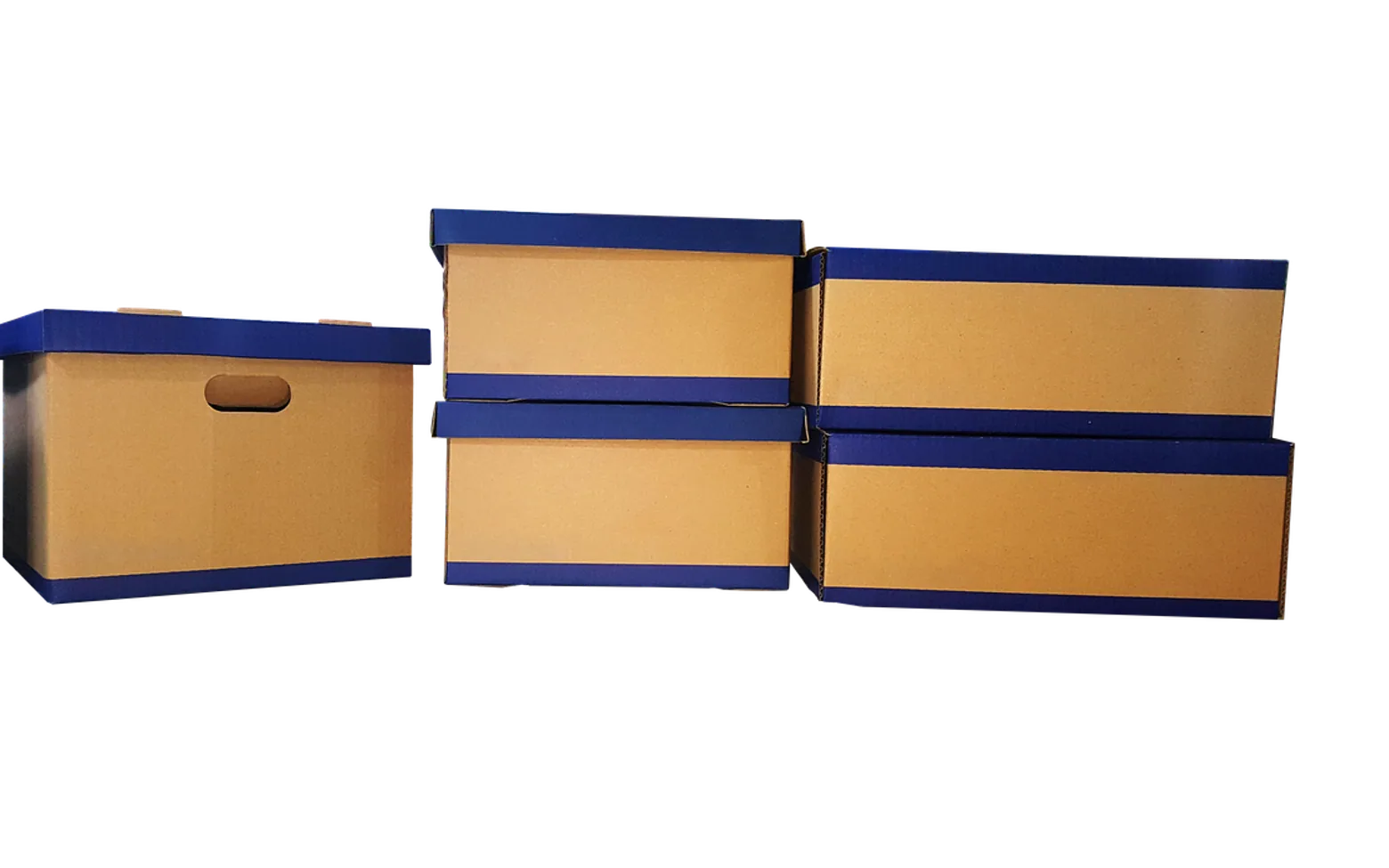
Moving abroad is rarely one big leap. It is a long series of small tasks, some dull and some exciting, that gradually turn a foreign address into home. Breaking the move into phases makes it easier to see what matters now and what can wait.
Before departure: paperwork and planning
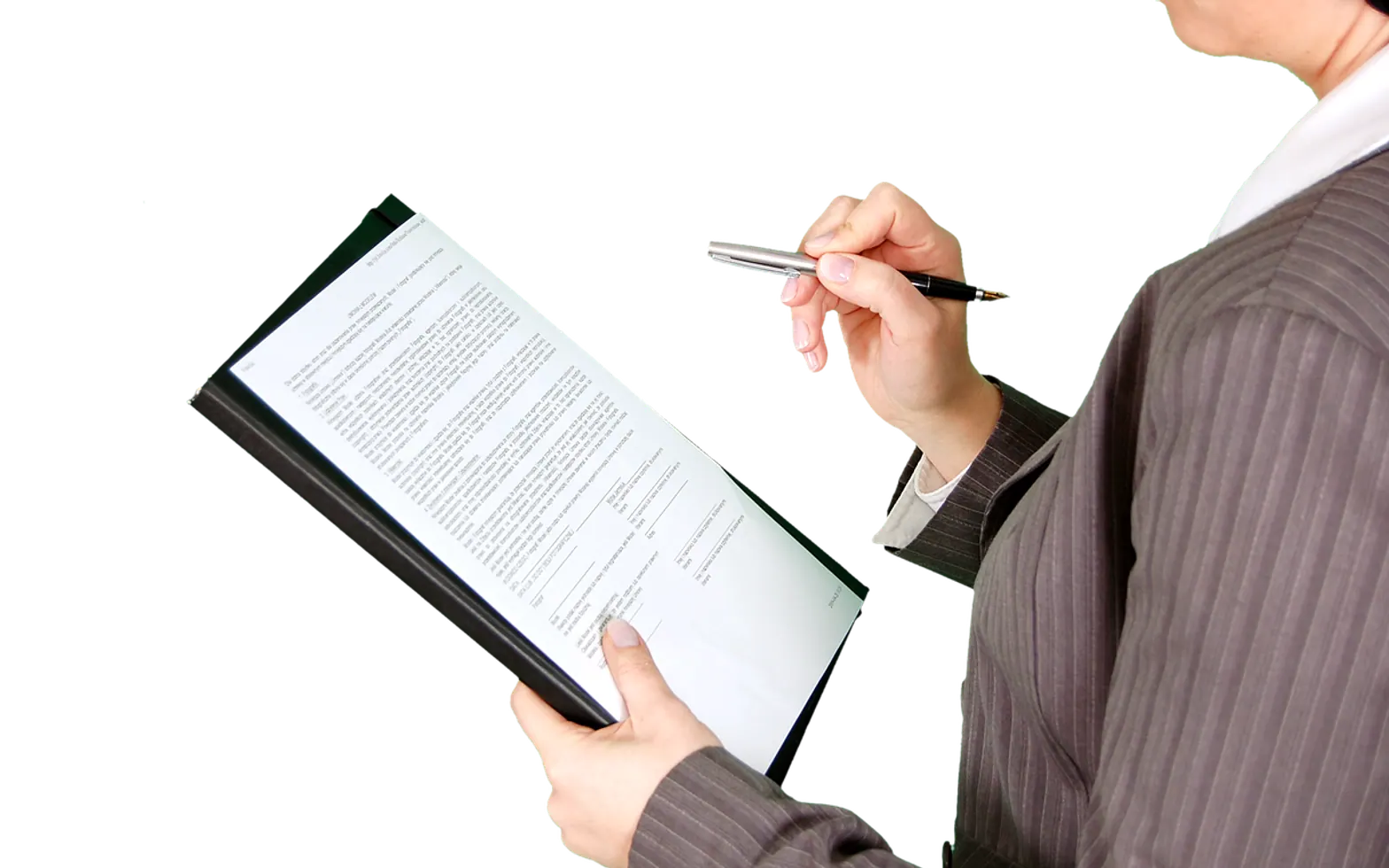
Visa and residence rules vary widely, so official government sources are the place to start. Gather passports, birth and marriage certificates, degree certificates and employment records, and find out whether any need certified translations or apostille stamps. Keep digital scans in secure cloud storage and paper copies in a separate bag. Also look into health cover, how your pension and tax position may change, and whether your driving licence will be recognised. For tax and legal questions, an adviser who knows both countries can save a lot of trouble.
The first week: essentials
- Register your address with local authorities if the country requires it.
- Get a local phone number; it is often needed for banking and deliveries.
- Open a bank account or set up a low-fee way to handle the local currency.
- Learn the public transport system and buy any travel passes.
- Find the nearest pharmacy, doctor's surgery and supermarket.
The first month: routines and connections
Once the basics are in place, attention shifts to building a life. Regular habits, such as a favourite café, a gym or a weekly market, give structure to unfamiliar days. Meeting people takes deliberate effort, and digital tools help a great deal here. A well-designed App for digital nomads makes it easy to discover meetups, coworking spaces and other newcomers nearby, turning the first awkward weeks into a chance to make friends who understand what moving abroad feels like.
Months two to six: language and culture
Even a basic grasp of the local language changes daily life. Ordering food, asking for directions or chatting with a neighbour builds confidence and earns goodwill. Short daily practice, a local class or a language exchange partner often works better than occasional long study sessions. At the same time, notice how people greet each other, how punctual they are, how they treat personal space and what counts as polite at work. Observing first and asking questions kindly avoids many misunderstandings.
Staying well along the way
Culture shock often arrives after the honeymoon period, when the novelty fades and small frustrations pile up. Keeping in touch with friends and family at home, while also investing in new friendships, helps balance the two worlds. Exercise, enough sleep and familiar comforts such as a favourite recipe can steady the mood. If homesickness or low mood lingers, speaking with a doctor or counsellor is a sensible step. With time, the unfamiliar becomes ordinary, and the new country starts to feel like home.

- 68
- articles
- 9
- topics
- 3
- min average read
- 2020–2026
- years covered