IPTV in Germany: Enjoy More Content, Better Quality, and Greater Freedom
- Filed by
- Tech
- Received
- Length
- 2 min

Many German flats come with a familiar dilemma. The building has a shared cable connection, the landlord frowns on satellite dishes bolted to the balcony, and the household wants channels the standard line-up does not carry. Internet television sidesteps that tangle. If the flat has decent broadband, it can receive live channels, films and series without any extra wiring on the façade.
More content without more equipment
The appeal starts with breadth. An IPTV service can combine the main German broadcasters with regional programmes, international news and channels in other languages, all inside one guide. For the many households across the country where two or three languages are spoken at the dinner table, that matters. A grandparent can follow programmes from home in their own language while the children watch German series on a tablet.
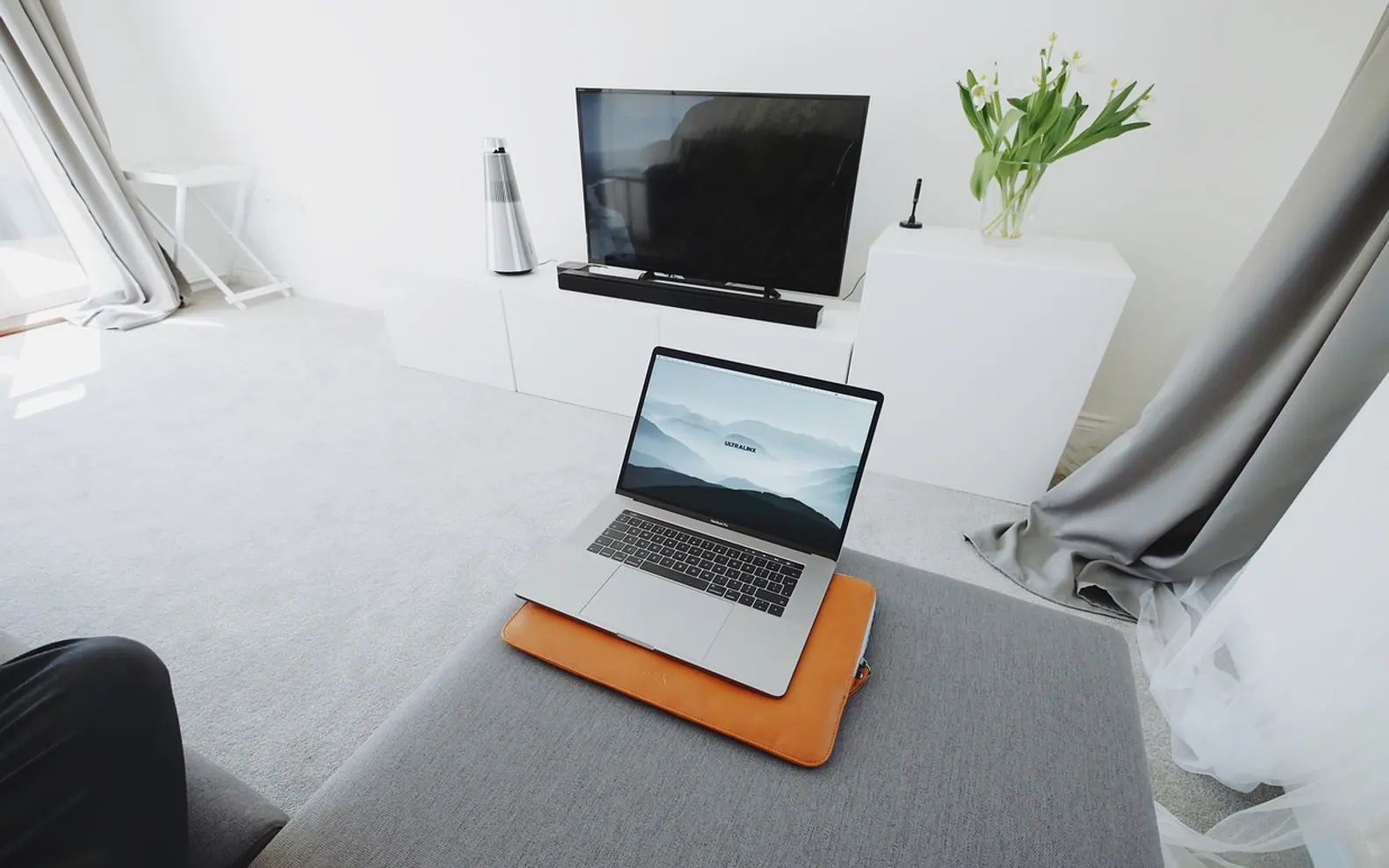
Because everything arrives over the same connection, adding a room or a screen rarely means buying another receiver. Usually an app on the television, a plug-in stick or simply a phone covers it.
What "better quality" really depends on
Picture quality on internet TV is not fixed; it rises and falls with a handful of factors that viewers can partly control.
- The line itself: fibre and modern cable broadband handle high-definition and 4K streams far more comfortably than older DSL connections.
- The last few metres: a network cable to the television beats Wi-Fi through thick old-building walls.
- The source: a channel broadcast in standard definition will not become sharp just because it travels over fibre.
- The device: an older smart TV may decode some formats poorly, so a current streaming stick can lift the result.
When those pieces line up, sport looks fluid, films keep their detail in dark scenes and fast camera pans stop smearing.
Freedom in daily routines
Shift workers, commuters and parents with irregular evenings gain the most from catch-up and on-demand libraries. A Bundesliga match can be watched after a late shift, a talk show from the night before over breakfast, a documentary on the train. Live television is still there for the moments when watching together in real time is the point, but it no longer dictates the evening.
Picking a provider
Reliability, a clear channel list, honest support and support for the hardware the household already owns are the qualities that separate a pleasant service from a frustrating one. Simple setup instructions and responsive help in German are a bonus. Platforms such as iptv-haus.com show how providers are shaping their offers around convenience, channel variety and an experience centred on the viewer.
Before signing up, it is worth checking that the provider is properly licensed for the content it distributes in Germany. A legitimate service is more stable over time and spares the household unpleasant surprises.
A balcony without a dish
For a growing number of homes, the case for internet television is practical rather than technical: no installation on rented property, a programme mix that reflects who actually lives there, and picture quality that keeps improving as broadband does. That combination explains why so many German households now treat the router, not the antenna socket, as the starting point for their evening viewing.



- 68
- articles
- 9
- topics
- 3
- min average read
- 2020–2026
- years covered