The Future of Professional Portraits: AI Headshot Generators
- Filed by
- Tech
- Received
- Length
- 2 min
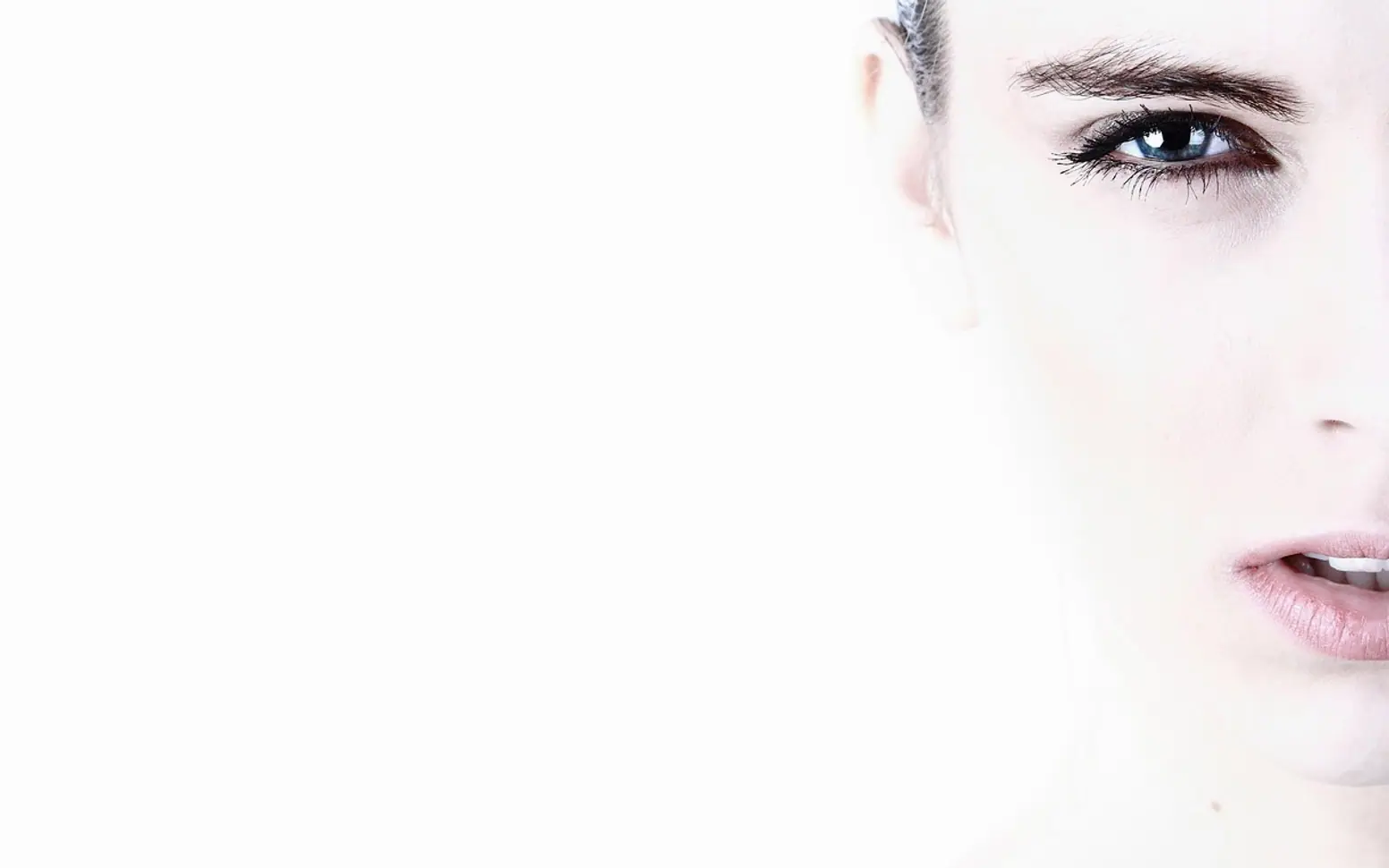
A profile photo now does a lot of quiet work. It sits on a professional network, an email signature, a company team page and a conference programme, often long before anyone hears the person speak. For years the only route to a polished portrait was a booked session with a photographer. AI headshot generators have opened a second route, and it is changing how individuals and companies think about their images.
How the tools work
The basic process is simple. Someone supplies a handful of everyday snapshots, ideally taken in varied light and from several angles. The software learns the face from those images and then produces new portraits in a chosen setting. Most tools let users choose backgrounds, lighting styles, and attire, so the same person can appear in a bright studio look for a corporate site and a softer, outdoor feel for a personal portfolio.
Results arrive in a batch, and part of the work is choosing. Some images will look natural; others may smooth skin too much or change small features. Picking the versions that truly look like you matters more than picking the most flattering ones.
Where they make the most sense
- Distributed teams that want a consistent look on the website without flying everyone to one studio.
- Job seekers who need a current, professional image quickly.
- Consultants and freelancers who refresh their profiles often or need several formats.
- Fast-growing companies onboarding new staff every month.
In each case, speed and consistency are the main gains. A new hire can have a team-page portrait in the same style as colleagues within a day, rather than waiting for the next photo day.
Questions worth asking first
Likeness. A headshot exists so people recognise you when you meet. An image that looks noticeably younger or different can feel misleading, so keep the result close to reality.
Privacy. Uploading face photos means handing biometric-style data to a service. Read how long images are stored, whether they are used to train models and how to delete them. Companies rolling this out for staff should check the terms with whoever handles data protection.
Consent and disclosure. Employees should agree to the process and have a say in the final image. Some organisations also note on internal guidelines when portraits are AI-generated.
Rights. Check the licence for commercial use, especially if the images will appear in advertising or print.
Photographers are not disappearing
A skilled photographer still brings things software cannot: direction during the shoot, a sense of personality, and images for events, editorial features or brand campaigns. Many professionals will use both, generating everyday profile images with AI and booking a photographer for moments that need a story. The likely future is not one replacing the other, but a wider set of options, with authenticity as the standard that both have to meet.
- 68
- articles
- 9
- topics
- 3
- min average read
- 2020–2026
- years covered