The Impact of IPTV on Traditional Cable and Satellite TV in the UK
- Filed by
- Tech
- Received
- Length
- 2 min
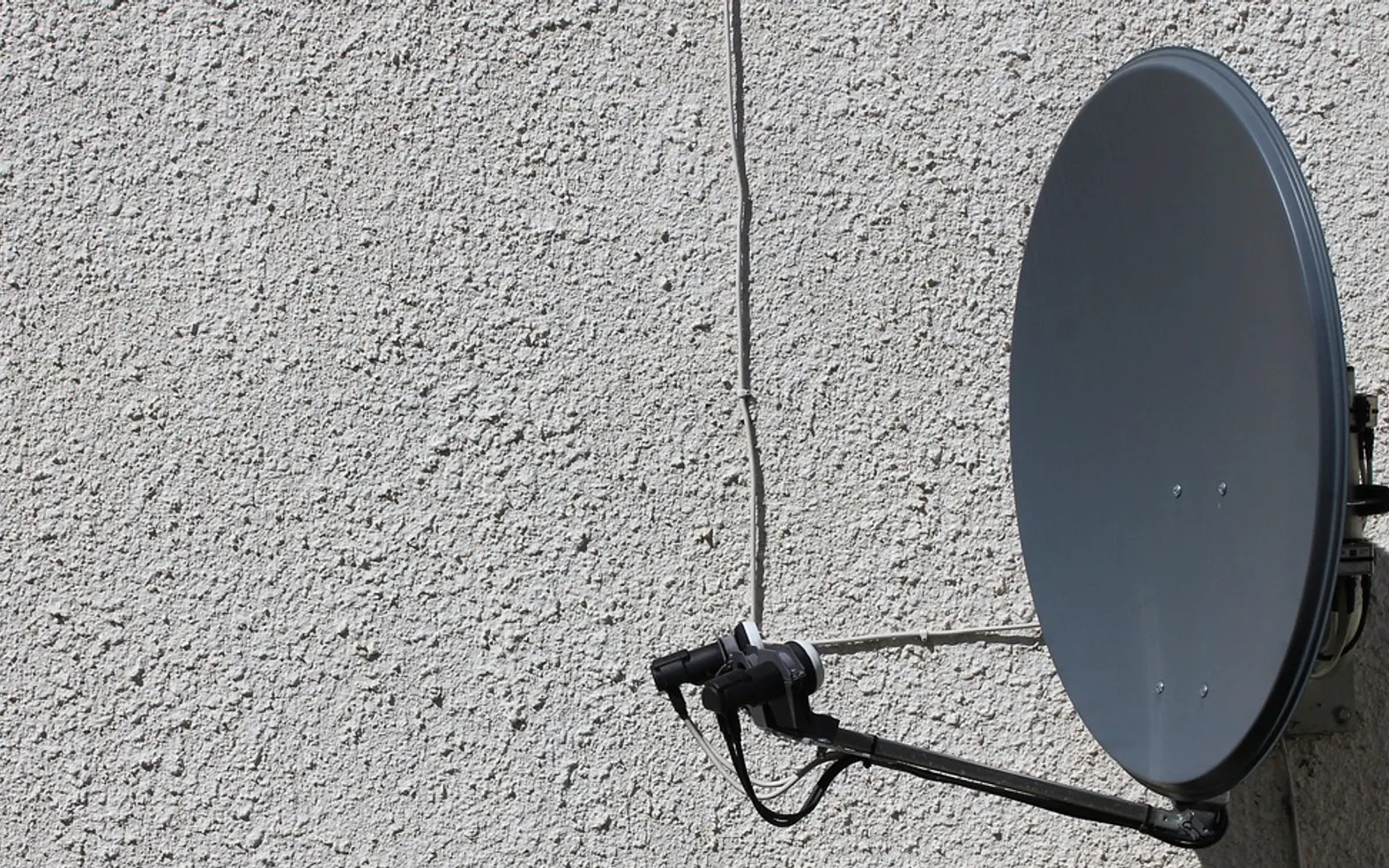
For a long stretch of British television history, the choice was simple: free-to-air channels through an aerial, or a dish or cable connection for a premium package. The arrival of TV over broadband has not ended that model, but it has forced it to change shape, and the effects are visible in how pay-TV companies now sell, price and deliver their services.
Where traditional pay TV felt the pressure
Satellite and cable packages were built around bundles. Customers paid for a large set of channels, signed a contract of a year or more and had equipment installed by an engineer. That worked well when there was no alternative. Once streaming apps and internet-delivered channels became easy to use on a smart TV, the weak points of the old approach became obvious:
- Fixed schedules in a world used to choosing programmes on demand.
- Long commitments when monthly plans were available elsewhere.
- One main screen in homes where everyone carries a device.
- Installation visits versus downloading an app.
How the incumbents responded
Rather than standing still, established providers have moved much of their own service onto the internet. Many now offer apps that work without a dish, hybrid boxes that combine broadcast and broadband sources, and slimmer packages that can be added or removed month by month. Broadband and TV are increasingly sold together, and some providers have started to deliver their full channel line-up over fibre instead of satellite. In effect, the traditional players are becoming internet TV services themselves.
What subscribers gained
Competition has given UK viewers more room to negotiate. Price comparisons are easier, short contracts are more common and add-ons such as sport or film packs can be switched with the seasons. Households interested in internet-only options often compare IPTV UK services for their channel range, multi-device support and the convenience of a single app across the home.
What broadcast still does well
Satellite and aerial delivery have strengths that streaming has to match. A broadcast signal does not slow down when the neighbours are also watching the cup final, and it does not depend on the home router. In rural areas with weaker broadband, a dish can still be the more dependable option. That is one reason many households end up with a mix: broadcast for live events, internet delivery for everything else.
Weighing a switch
Anyone thinking of cancelling a dish or cable contract should check the remaining contract term and any exit fees, test their broadband during the evening peak, and confirm that the channels they care about are available. It is also worth sticking to providers that are properly licensed for UK viewers, and remembering that live TV on any device still needs a TV Licence. The landscape will keep shifting, but the direction is clear: the delivery method matters less each year, and what viewers can watch, and on which screens, matters more.




- 67
- articles
- 9
- topics
- 3
- min average read
- 2020–2026
- years covered